


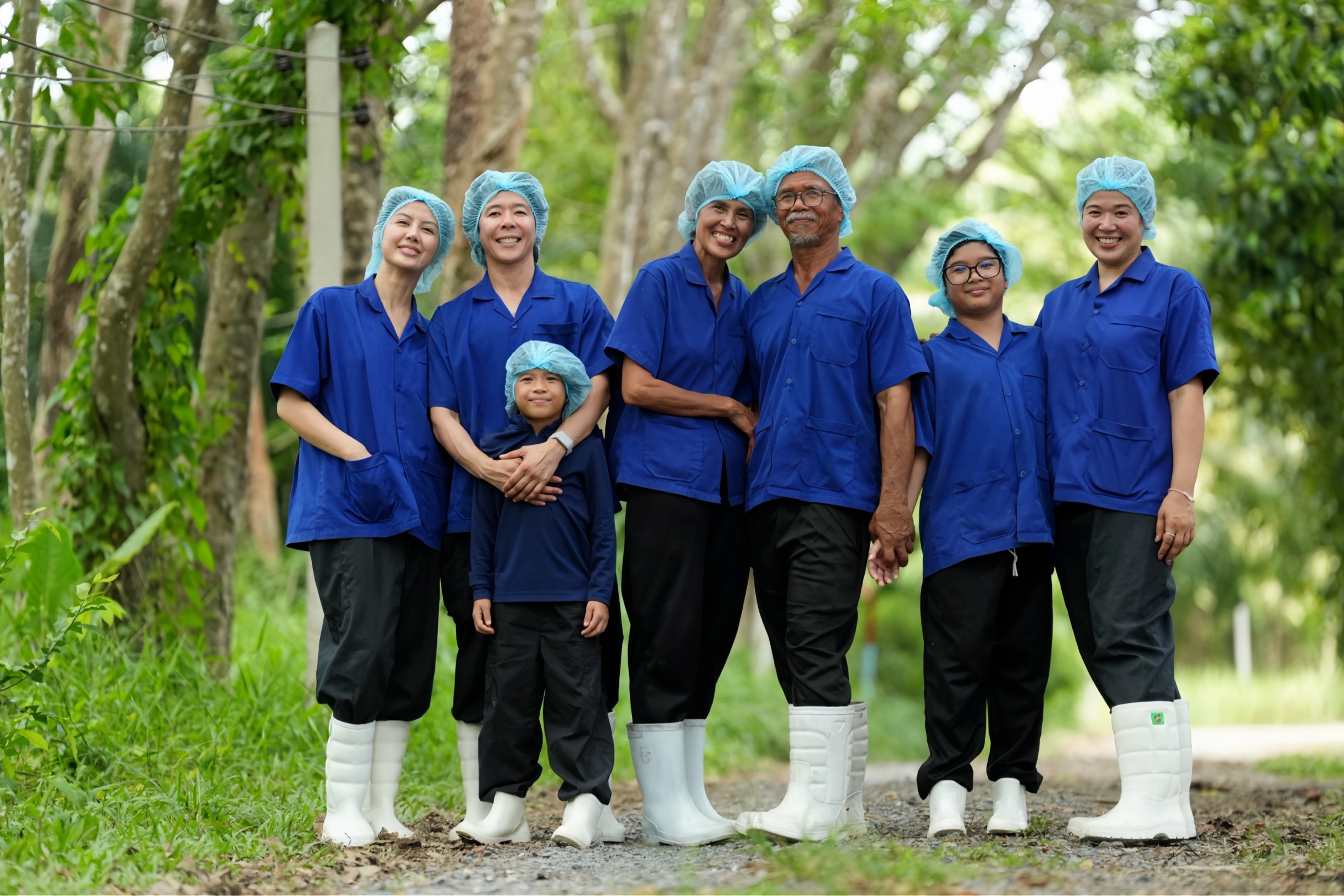

Before sunrise, while most children are still asleep, young Phu-Phurinat Taengjanthuek is already watching his mother prepare for another day at the family's pig farm in Surat Thani.
Every morning, she leaves home at around 3 a.m. to care for hundreds of pigs before driving him to school. To many, the routine might seem demanding. To Phu, however, it is inspiring.
"I want to become a doctor," he says with a smile. "But I also want to have many pig farms because they provide a good income."
His dream reflects a remarkable transformation that has taken place over the past three decades at Charoen Farm in Kanchanadit District. What began as a modest family business struggling to make ends meet has grown into a modern livestock enterprise that now supports three generations under one roof. More importantly, it has changed the way one family views agriculture—not as an occupation of hardship, but as a profession that offers stability, opportunity and pride.
That transformation began in 1993 when Paiboon and Kittima Charoenpakdee established Charoen Farm with just 130 breeding sows. Operating an open-system farm, they handled every task themselves—from cleaning pens and assisting births to caring for sick animals—while balancing regular jobs to support their young family.
"We did everything ourselves," Paiboon recalls. "The work was exhausting, but we believed that if we understood every part of the farm, we could keep improving."
The early years were financially difficult.
"There were times when our expenses exceeded our income," says Kittima. "Our biggest worry was whether we would be able to send our children to university."
Gradually, through a long-term partnership with Charoen Pokphand Foods (CPF), which provided technical guidance, and farm management support, Charoen Farm became financially stable. That stability enabled the couple to send all three of their children to university in Bangkok.
Yet the family's greatest success, they say, was not measured by income alone.
Rather than shielding their children from the hard work, Paiboon and Kittima invited them into it. As they grew up, the children helped feed pigs, record production data and clean the barns, learning that responsibility and perseverance were the foundations of the family's livelihood.
"We wanted them to understand that success comes from commitment," Kittima says. "Most of all, we hoped they would one day choose to come home—not because they had to, but because they were proud of what the family had built."
That hope became reality.
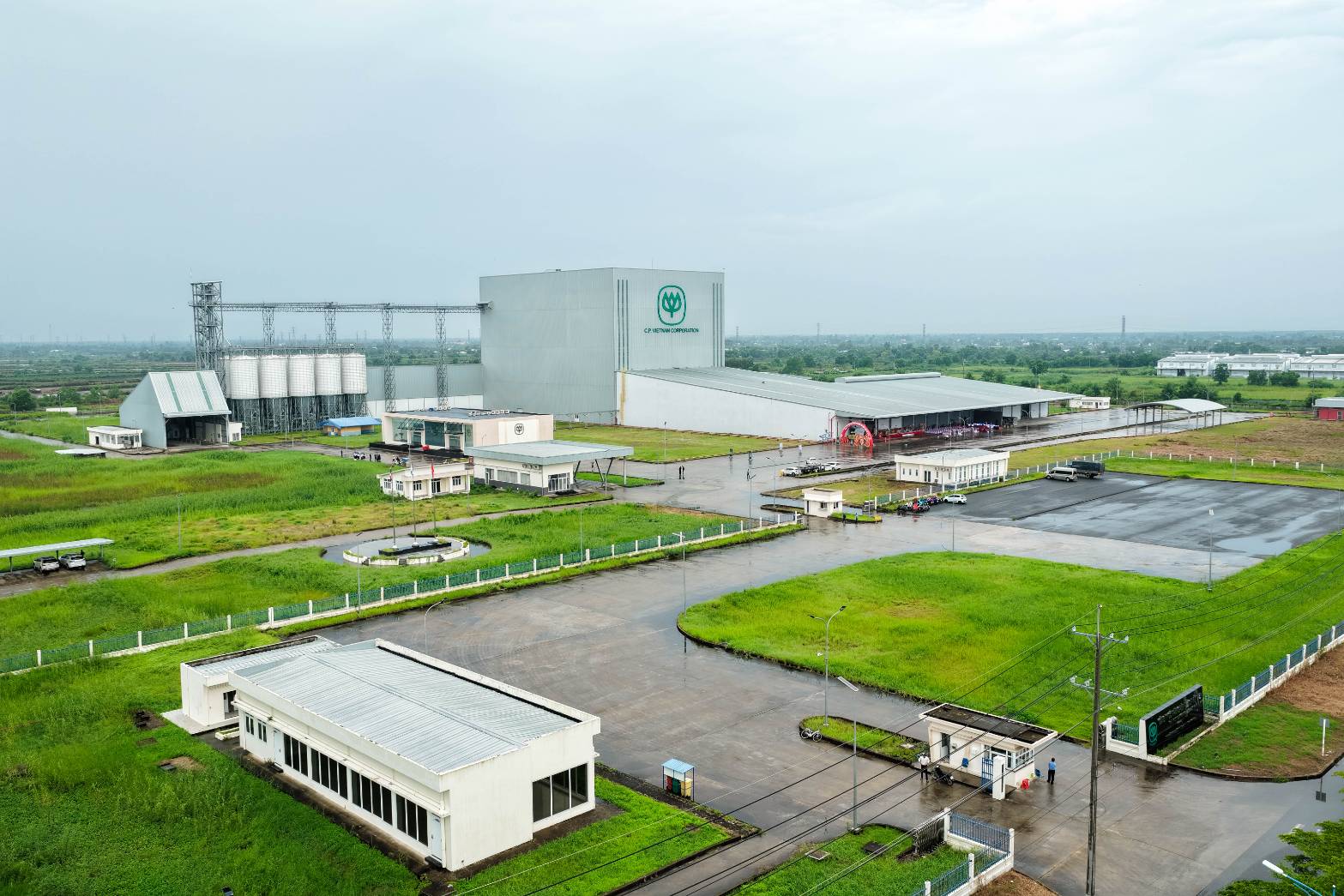
Today, second-generation sisters Pearl-Aratchamon Charoenpakdee and Prae-Panrawee Charoenpakdee manage the farm, combining modern agricultural knowledge with the experience passed down by their parents. The once open-system operation has been upgraded into a modern evaporative cooling (EVAP) farm equipped with digital data management, CCTV monitoring and stringent biosecurity measures that meet international standards.
"We grew up watching our parents build this farm from nothing," says Aratchamon. "People often think farming is unstable, but we've experienced the opposite. It has provided a reliable livelihood and allowed our family to stay together while building something meaningful."
Her sister, Panrawee, believes technology has changed the image of livestock farming.
"Modern farming is about precision, animal welfare and food safety," she says. "Every detail matters because consumers trust us to produce safe, high-quality food."
For the Charoenpakdee family, the farm has become more than a business. It is a place where knowledge, values and responsibility are passed from one generation to the next.
That legacy is already taking root in the family's youngest member.
Although Phu dreams of becoming a doctor, he has no intention of leaving the farm behind. Instead, he imagines building on what his grandparents started, proving that modern agriculture can exist alongside other professional ambitions.
As Thailand faces the challenge of an ageing farming population, stories like Charoen Farm offer a different perspective. They suggest that when agriculture embraces technology, professional management and long-term partnerships, it can become more than a means of earning a living. It can become a career that young people choose, not out of necessity, but with confidence.
After more than three decades, Paiboon still measures success not by the size of the farm, but by what it has made possible.
"This profession gave our children an education," he says. "It gave our family security. And now, seeing the next generation wanting to continue what we built, that is our greatest achievement."