


Food security is not only about producing enough food. It also means ensuring that people can continue to access safe, nutritious food at an appropriate price, including reliable sources of high-quality protein.
Eggs are among Thailand’s most accessible sources of quality protein. Nutritious, versatile and affordable, they form an important part of everyday diets.
Maintaining this access requires more than focusing on production volume. It calls for a system that combines food quality, efficient farming, capable employees, community support and responsible environmental management.
Charoen Pokphand Foods Public Company Limited (CPF) is applying its “5 Goods” framework — Good Food, Good Farm, Good People, Good Community and Good Planet — to its egg business as a way of bringing these priorities together.
“At the heart of CPF’s egg business is the delivery of accessible, high-quality protein to Thai people,” said Somkid Wannalukkhee, Head of the Egg Business at CPF.
“At the same time, we believe a business can grow sustainably only when society and the environment grow alongside it. We have therefore developed our operations and communications under the ‘5 Goods’ concept.”
Good Food: Making quality protein widely available
The Good Food pillar focuses on producing quality eggs through closed farming systems and the use of probiotics to support hen health.
CPF says these practices are intended to give consumers confidence that its eggs are free from residues and salmonella.
The company is also developing eggs with added nutritional benefits. Benja eggs, for example, come from hens fed with specially formulated superfood feed, resulting in eggs with higher omega-3 content than conventional eggs.
These developments support the role of eggs as an accessible source of daily nutrition while responding to changing consumer needs.
Good Farm: Improving production through technology
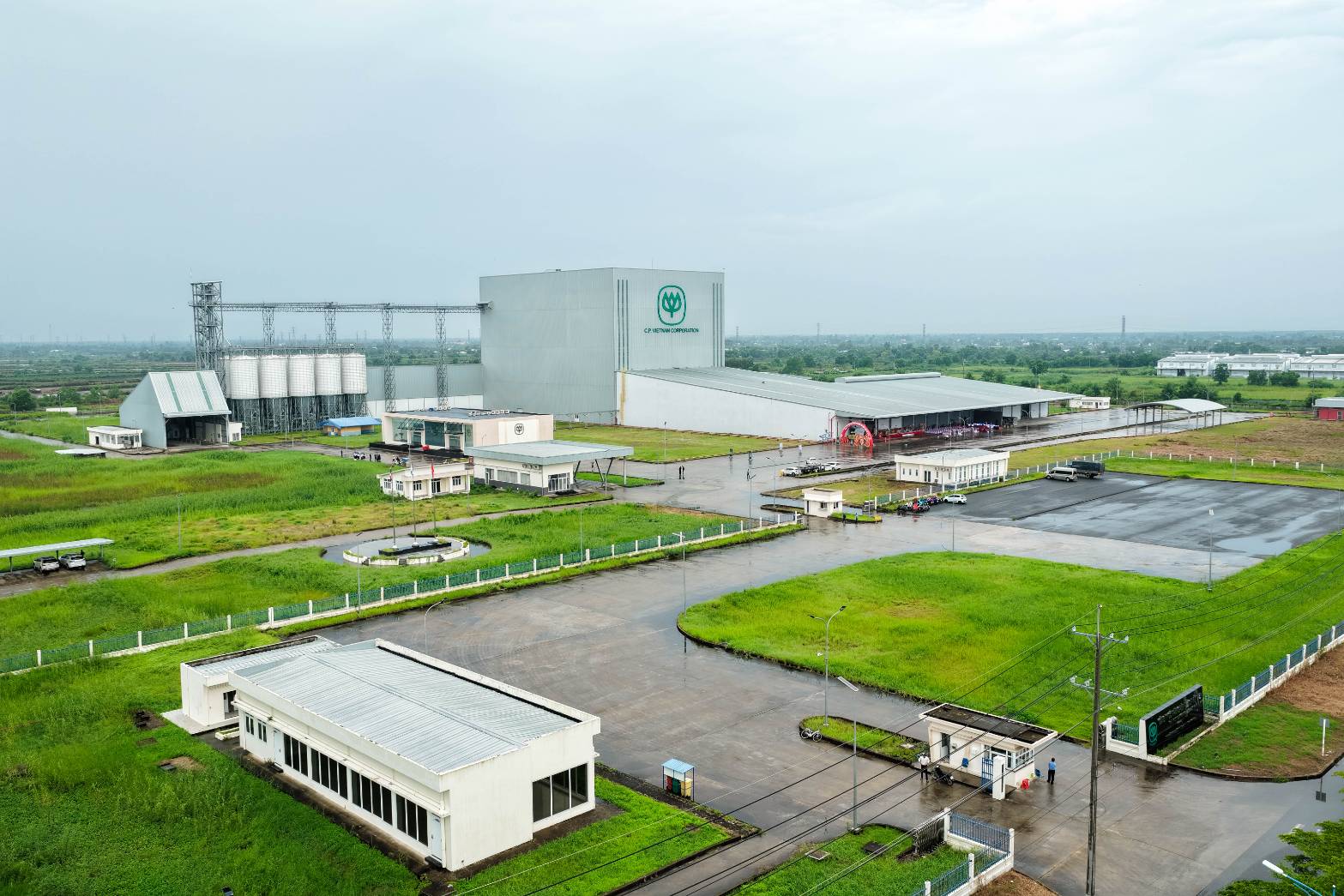
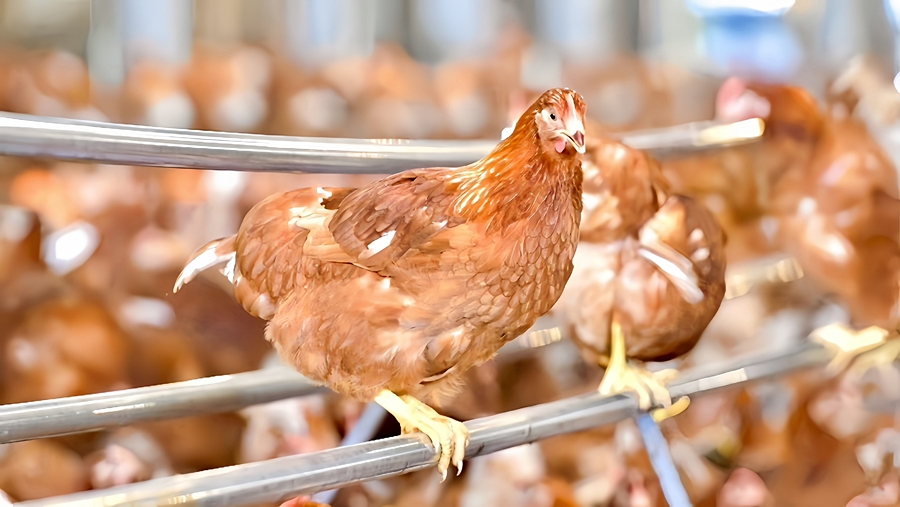
Under this pillar, automated technology is used to control temperature, feed, water and the environment inside poultry houses.
These systems are designed to keep hens comfortable, reduce disease risks and improve production efficiency. Automation also helps farms reduce losses, save energy and maintain internationally recognised production standards.
The aim is to strengthen the reliability and efficiency of egg production over the long term.
Good People: Developing farming expertise
The pillar focuses on developing specialists in farm operations, egg-grading facilities and renewable-energy systems, including biogas.
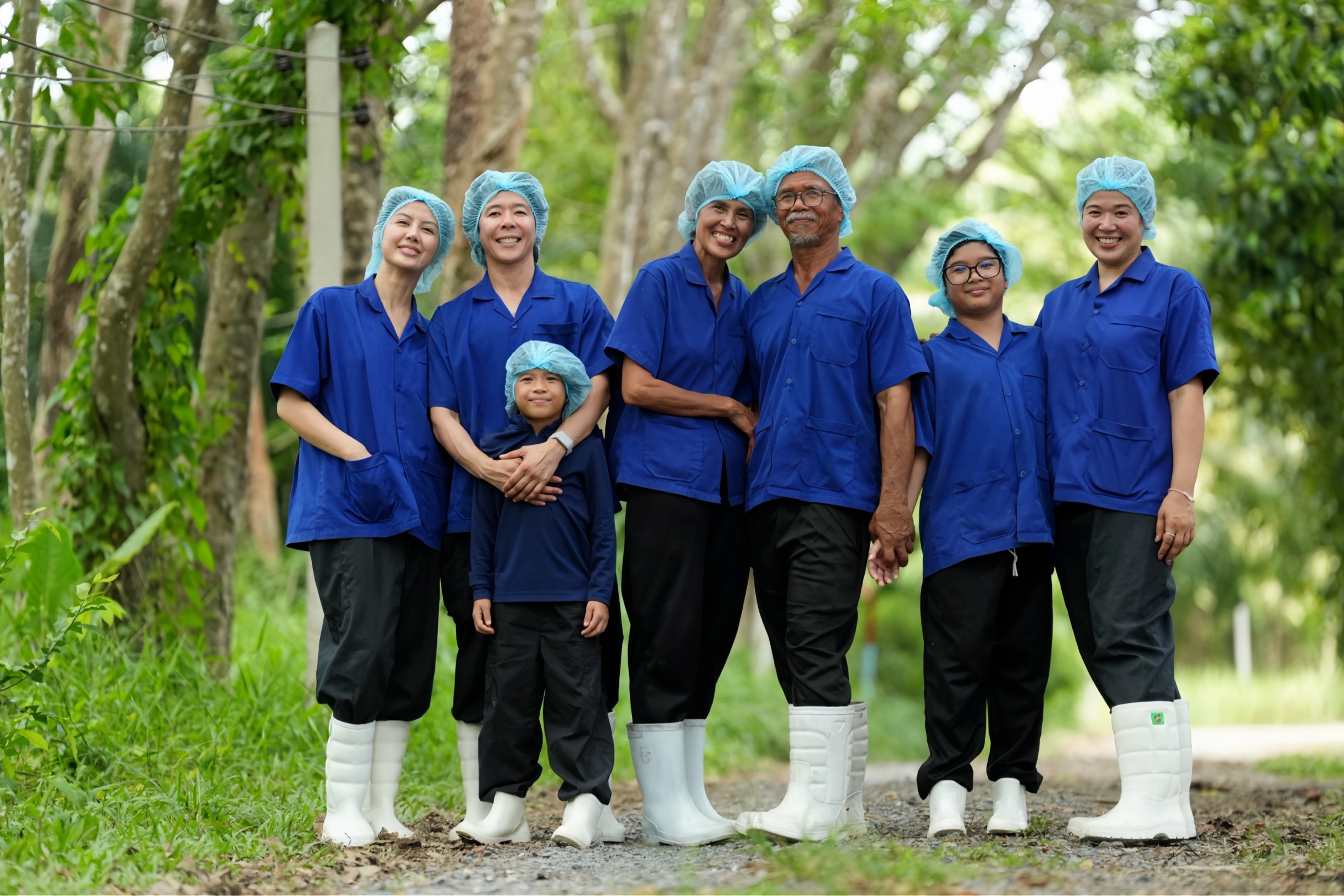
CPF also places importance on employee welfare, quality of life and workplace safety. Employees are encouraged to contribute ideas through continuous work-improvement programmes.
Developing people alongside technology helps ensure that farms have the skills needed to manage increasingly modern production systems.
Good Community: Strengthening food security locally
The role of egg production extends beyond farms and retail markets.
For more than 30 years, the Raising Layers for Student’s Lunch project has supported over 1,000 schools throughout Thailand, helping children—particularly those in remote areas—gain better access to nutritious food and quality protein.
The programme demonstrates how egg production can contribute to children’s nutrition while helping strengthen access to food at the community level.
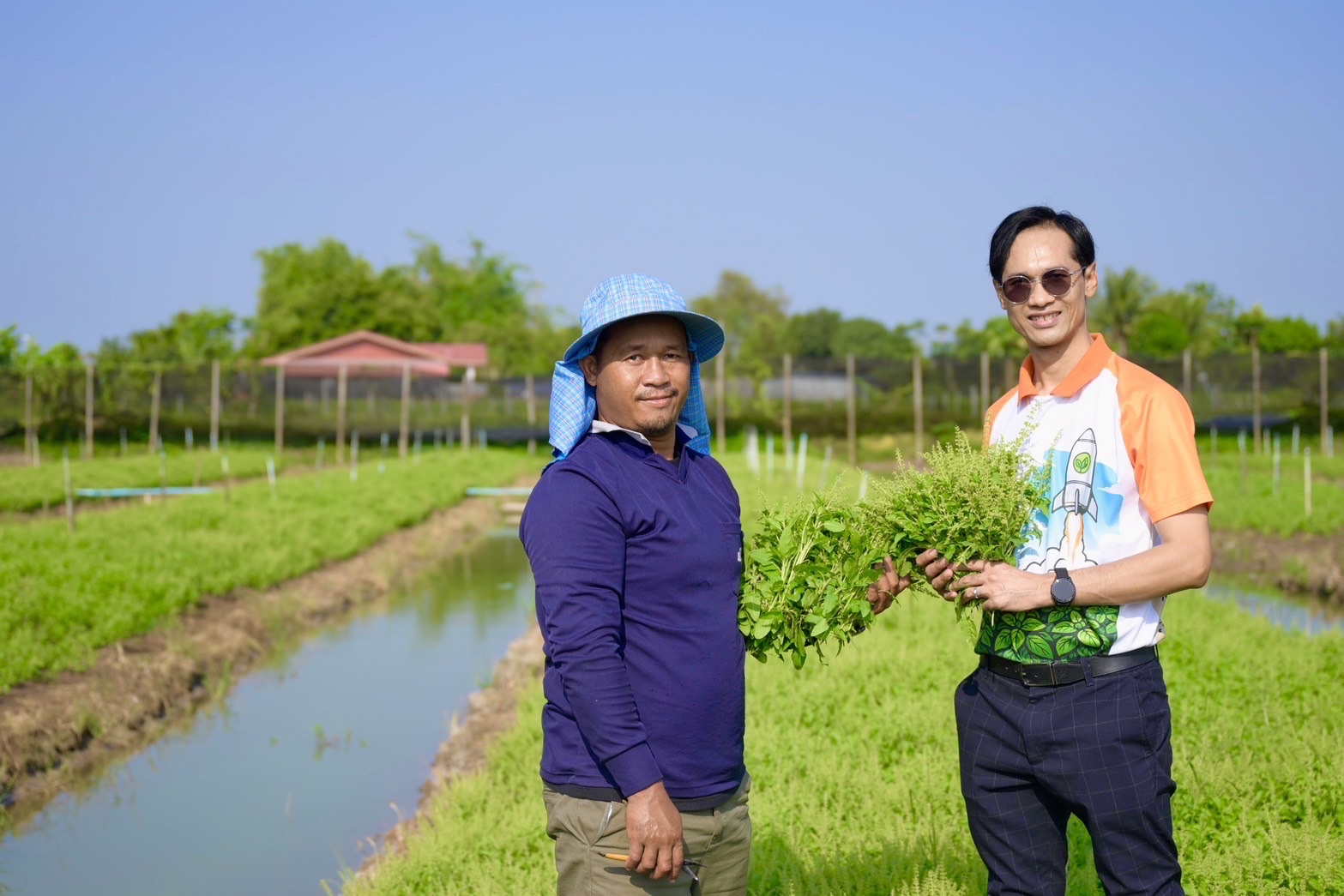
CPF’s egg farms also provide fertiliser from their biogas systems to nearby communities. This helps local farmers reduce agricultural input costs and improve their productivity.
Good Planet: Turning farm waste into resources
Responsible management of energy and waste forms the basis of the Good Planet pillar.
Chicken manure is converted into cleaner energy through biogas systems. According to CPF, its smart egg farms can generate an average of about 90% of their electricity needs on-site.
Zero-waste systems are also used to convert chicken manure and wastewater into energy and organic fertiliser. This circular approach turns farm waste into useful resources while reducing environmental impact.
Building a more resilient food system
Thailand’s food security depends on maintaining access to nutritious food while adapting production systems to changing economic and environmental conditions.
The 5 Goods framework brings these priorities together, connecting food quality and modern farming with employee development, community well-being and environmental management.
“Our intention is to use technology to improve management, enabling us to deliver high-quality eggs while taking better care of the environment,” Somkid said. “This is not only about adapting the business; it is also central to maintaining food security for Thai people over the long term.”